The contract says what they owe you. It says nothing about what happens when the relationship is the thing actually at risk.
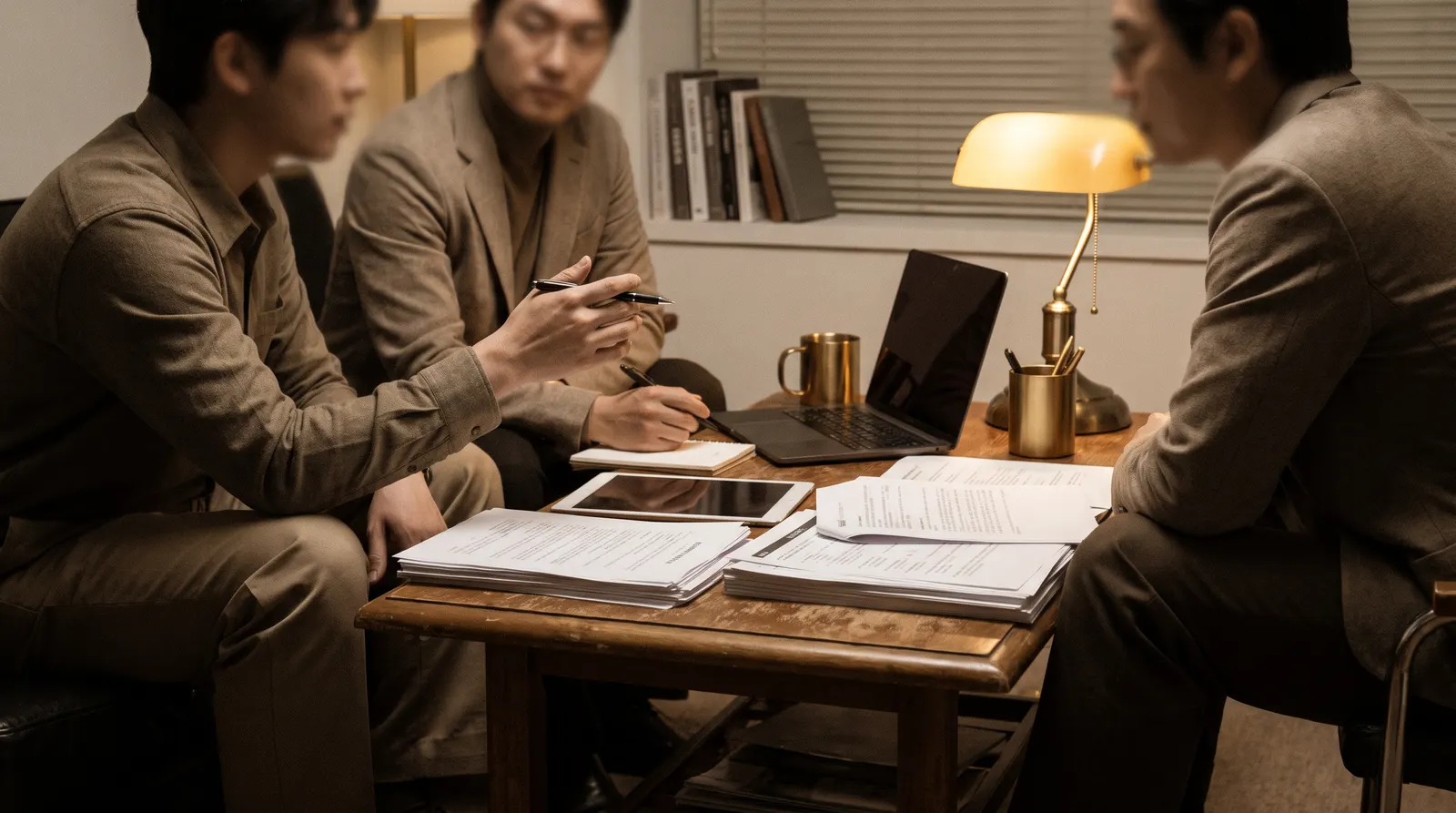
A vendor relationship gets strained the same way most program problems do: quietly, one small accommodation at a time. Eighteen months into a multi-year systems replacement, a vendor missed a delivery date for the third time in a quarter. Nobody on our side was surprised anymore, and that was the real problem. The first miss had triggered a hard conversation and a recovery plan. By the third, the conversation had turned into an email thread, then a status-report line item, then a shrug in the hallway. The relationship had not broken. It had gone quiet. Quiet is worse. It means both sides have started managing around each other, instead of managing the problem together.
Strain rarely announces itself
Nobody wakes up and decides the vendor relationship is now adversarial. It erodes one small accommodation at a time. A deadline slips, and the team absorbs it without a real conversation about why. Whoever is more tired that week resolves a scope question, instead of checking what the contract actually says. A status call that used to run long with real problem-solving now ends in exactly thirty minutes. Neither side wants to be the one who brings up what is actually wrong.
The strain usually shows up in the data months before anyone says the words “this relationship is strained” out loud. Meeting notes get shorter. Escalations that used to come with context start arriving as bare facts. The vendor’s project lead stops copying their own leadership on updates that used to include them. None of that shows up on a status report built around milestones. All of it is the early warning system, if anyone is looking.
A vendor relationship does not fail on the day of the missed deadline. It fails in the weeks before, when nobody says out loud that something has changed.
Contract enforcement and relationship repair are different tools
The instinct when a vendor underperforms is to reach for the contract. Cite the SLA, document the miss, escalate through the account team. Sometimes that is exactly right, and skipping it does not serve anyone. But contract enforcement only answers one narrow question: did the vendor meet the obligation? It does not answer the question that actually determines whether the next eighteen months go well. That question is whether both sides still trust each other enough to surface problems early.
Those are two separate tracks, and the mistake is running only one of them. A team that only enforces the contract gets compliance without candor. The vendor delivers exactly what the contract says, and nothing more. That includes the early warnings that used to come free when the relationship was healthy. A team that only tends the relationship, without ever naming the pattern of misses directly, gets candor without consequence. The misses keep happening, because nothing has actually changed the vendor’s incentives.
Both tracks need to run at once, and they need different owners in the room. The contractual conversation belongs with whoever owns the commercial relationship. The relationship conversation belongs with whoever actually works with the vendor’s team day to day. It needs to happen even when, especially when, the contractual conversation is tense.
Naming the pattern without accusation
The hardest part of this is the conversation itself. One version sounds like a grievance list. It puts the vendor on the defensive before anyone says anything useful. Another version treats the pattern as a shared problem to solve. That version tends to get somewhere.
The difference is usually in how the conversation opens. Not “you have missed three dates,” which is true but invites a defense. Something closer to this works better: here is the pattern we are both seeing. Here is what it is costing on our side. We want to understand what is driving it before we decide what to do about it. That framing assumes the vendor’s team is not trying to fail. Usually they are not. Usually there is a resourcing problem, a scope ambiguity, or a dependency on something outside their control. Naming the pattern this way surfaces the real cause, instead of triggering a defense.
- Bring the pattern, not just the latest incident. One missed date is an incident. Three is a pattern, and patterns deserve a different conversation than incidents do.
- Ask what changed on their side before assuming what changed on yours. A vendor whose best people rotated onto a different account is a different problem than one who simply stopped trying. So is a vendor whose subcontractor fell behind.
- Separate the relationship conversation from the escalation conversation, even when they happen in the same week. One is about restoring trust. The other is about consequences. Blending them turns every relationship conversation into a negotiation.
- Decide together what “back on track” looks like, specific enough that both sides would recognize it without anyone saying so. A vague commitment to “do better” is not a recovery plan.
Escalating on a vendor issue is not different from escalating on any other
This is the same discipline as any other hard call on a program. A strained vendor relationship rarely affects only the two teams having the tense conversation. Teams depending on that vendor’s deliverable for their own timeline need to see the real picture, not a softened version. Otherwise they keep planning against a date that everyone closer to the problem already knows is at risk. Solving a vendor problem in isolation creates the same blindside that isolation creates anywhere else on a program. It happens quietly, managing around the problem while a status report still shows green.
It also helps to remember that this vendor was a partner once, before the strain set in. Partnerships that work start by understanding what success looks like from the other side of the table. A strained vendor relationship is often a partnership that skipped that step. Or it is one that did the step once at kickoff and never came back to check whether the picture had changed. The same resistance you would expect from a skeptical internal partner shows up here too. It is rarely resistance for its own sake. Usually the vendor’s team is protecting something: a margin, a staffing commitment, a relationship with their own leadership. Understanding what that is changes the conversation.
Protecting a vendor relationship and protecting your own program are not in conflict as often as people assume. Most of the time, the relationship survives the conversation you were avoiding. It does not survive the silence.
Where AI actually helps here
This is not a place to let a tool run the relationship. People rebuild trust in conversation, not in a generated message. What a thinking partner is genuinely good for is preparation and pattern-spotting. Those are the two things that are easy to under-invest in when a vendor relationship is already consuming emotional energy.
Before the hard conversation, describe the pattern you are seeing. Ask it to draft the opening framing two ways: once as a list of grievances, and once as a shared problem. That way you can feel the difference before you are in the room. Then you can pick deliberately, instead of defaulting to whichever version comes out first when you are frustrated.
Across a longer relationship, it is useful for exactly the kind of pattern-spotting that is hard to do from memory. Feed it a quarter of status notes and meeting summaries. Ask when the tone actually shifted, not when the first missed date happened. Those are often different weeks. When a recovery plan comes back from the vendor, ask it to check the commitments. Are they specific enough to verify, or just language that sounds like progress but resolves nothing?
None of that replaces sitting across from the vendor’s team and having the conversation nobody wanted to start. It only means you walk in having already thought through what you are actually trying to say.
More essays like this one live on the Between Mondays articles page.
Further reading: the Project Management Institute publishes extensively on vendor governance and contract management in complex programs. The U.S. Government Accountability Office has published widely on contract oversight and vendor performance management on large public programs.